

And so began my lifelong relationship with the wooden pencil. Over the years, I’ve come to appreciate this simple yet powerful tool in countless ways. It’s a symbol of focus and discipline, of determination and perseverance. When I’m holding a wooden pencil, I’m in control. No matter what’s going on around me, I can zone in on my task at hand and make progress.
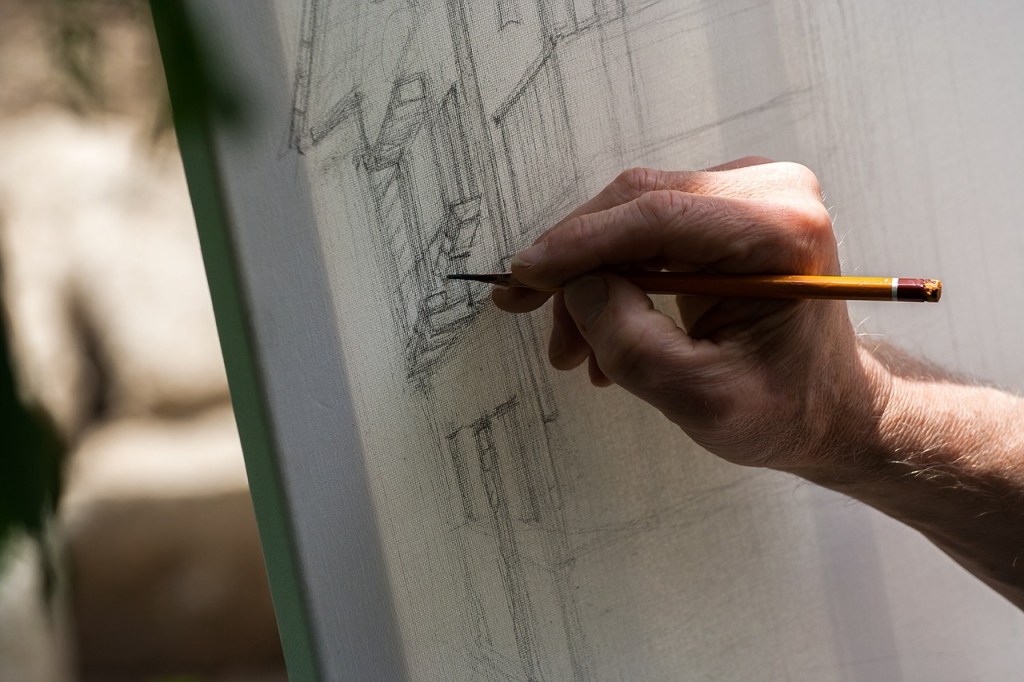
But the wooden pencil isn’t just a tool for writers and artists. It’s been used throughout history in a variety of cultures for everything from religious rituals to scientific experiments. Anthropologists have long pondered the significance of this seemingly basic item in human evolution, and have come to some fascinating conclusions.
For example, some experts believe that the use of wooden pencils in ancient cultures helped to bolster the development of fine motor skills and cognitive abilities in young children, paving the way for advanced learning and critical thinking. Others have pointed out the symbolic role of the pencil in many traditional societies, where it has been used to record important information and share knowledge across generations (Frikha & Alharbi, 2023).
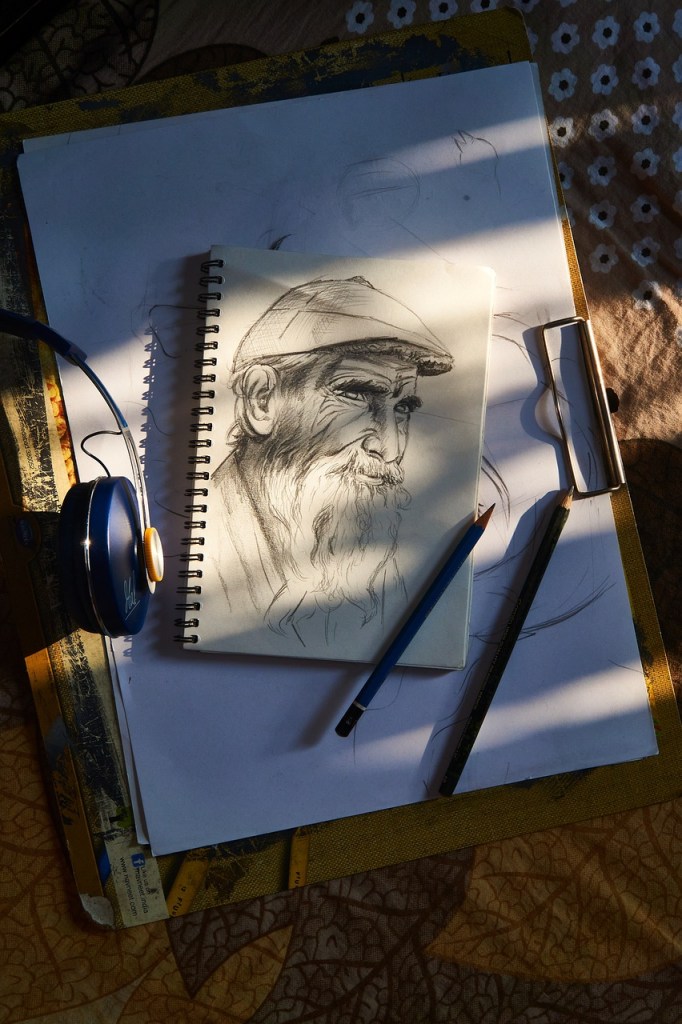
It’s clear that the wooden pencil has a special place in human history, with a legacy that spans centuries and continents. Even as we rely increasingly on digital technology in our daily lives, there is still something deeply satisfying about picking up a pencil and putting thoughts to paper. Whether you’re sketching out a design, recording a moment of inspiration, or simply writing a grocery list, the wooden pencil is an essential tool for engaging with the world around us.
So the next time you pick up a wooden pencil, take a moment to appreciate its subtle complexity and the role it has played in shaping human culture and civilization. From its very creation to its ongoing use, this humble writing tool is a true marvel of human ingenuity and innovation. May it continue to inspire and fascinate us for generations to come.
What was your most memorable experience using a wooden pencil and how has it impacted your life?

Reference
Frikha, M., & Alharbi, R. S. (2023, April 27). Optimizing Fine Motor Coordination, selective attention and reaction time in children: Effect of combined accuracy exercises and visual art activities. Children (Basel, Switzerland). https://www.ncbi.nlm.nih.gov/pmc/articles/PMC10217286/
 Anthropological Bytes
Leave a comment